
Why Filipinos keep coming back to Manila Sound!
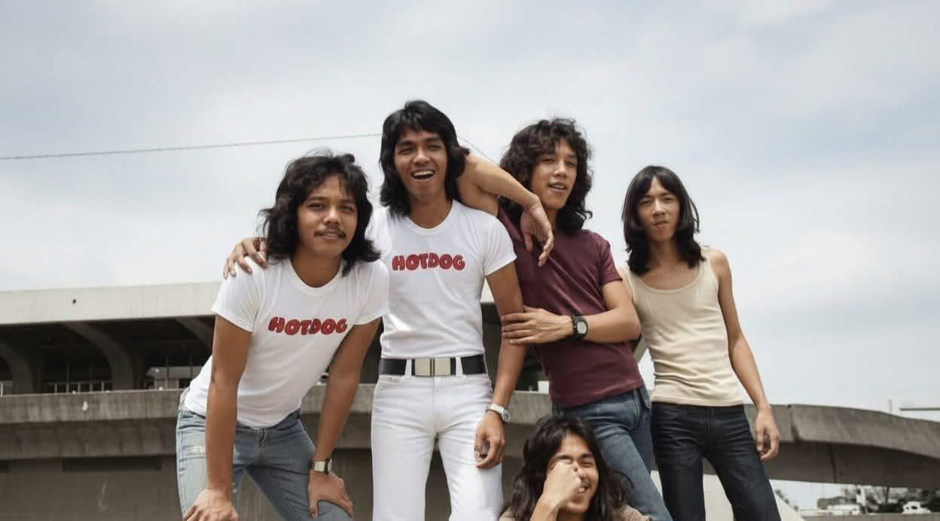
For a music genre born under disco lights and bell-bottoms, Manila Sound has had an unusually long afterlife. Decades after its peak, its songs still feel woven into everyday Filipino life. Karaoke nights somehow always end with “Bakit Labis Kitang Mahal”. Family celebrations are incomplete without Tito suddenly requesting “Rock Baby Rock”. The genre pulses in the DNA of Original Pilipino Music (OPM) itself. Even Gen Z listeners who never stepped foot inside a disco club can instantly recognize the sound.
Era before OPM
Before OPM became a catch-all term for Filipino music, Manila Sound was already defining what local pop culture could sound like. Back then, the Philippines had long consumed Western music with enthusiasm. American and British rock records dominated the radio. Meanwhile traditional kundiman and folk songs remained symbols of an older, more formal Filipino identity. Somewhere between, the younger generation was searching for a sound that felt closer to their own lives: urban, chaotic, romantic, funny, ambitious, and unmistakably Filipino.
Hotdog as pioneers of Manila Sound
The rise of Manila Sound can largely be traced back to Hotdog, the genre-defining band that made Taglish, disco, and Manila street culture sound effortlessly cool. Formed by brothers Dennis and Rene Garcia, the group rose to fame in 1974 through the hits “Ikaw Ang Miss Universe Ng Buhay Ko” and “Pers Lab.” They would later cement their legacy through era-defining anthems such as “Manila,” “Annie Batungbakal,” and “Bongga Ka Day.” Hotdog wrote lyrics exactly how young, middle-class Manileños actually spoke: a casual, conversational mix of Tagalog and English. Combined with catchy, Western-style pop arrangements, the music was instantly relatable. Suddenly, Manila Sound was taking over radios, parties, and pop culture conversations everywhere.
The Manila Sound explosion
Seeing the massive success of Hotdog, the local recording industry went into overdrive. The movement was heavily championed by Vicor Music Corporation, spearheaded by executives Vic del Rosario and Orly Ilacad. They actively scouted and produced local talent to ride the Manila Sound wave.
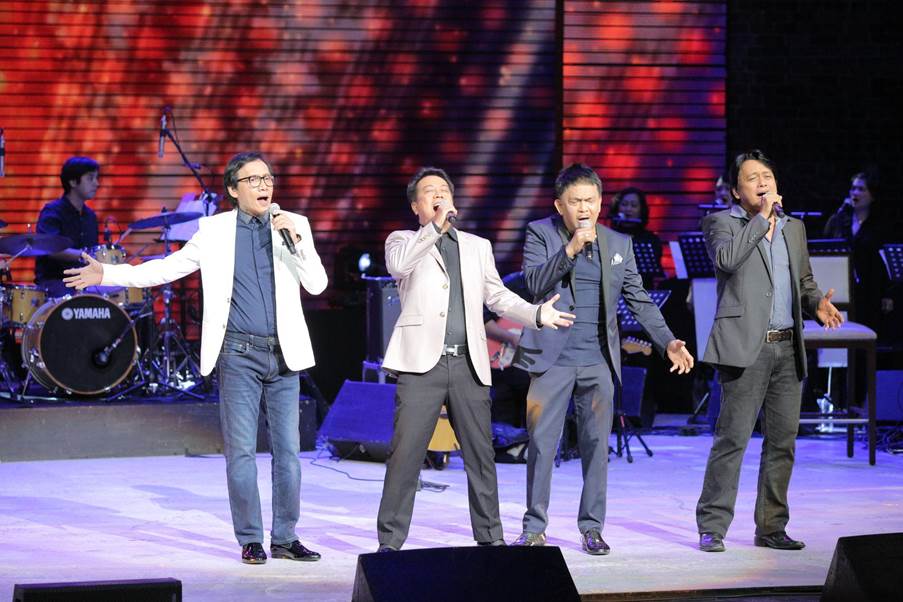
This era saw an explosion of sub-genres under the Manila Sound umbrella. Artists like Rico J. Puno took Western soul and R&B and infused it with Filipino lyrics and sentimentality as heard in “Kapalaran” and his Taglish cover of “The Way We Were”.
Disco fever took over
As disco took over the globe, the Philippines responded with its own vibrant dance tracks. VST & Company became the undisputed kings of Manila Sound disco, earning comparisons to the Bee Gees with upbeat anthems like “Awitin Mo At Isasayaw Ko,” and “Magsayawan,” songs that still dominate Filipino parties decades later. Meanwhile, Hagibis brought macho camp into the mainstream with funk-driven hits like “Katawan” and “Legs,” turning clubs and dance floors into full-blown spectacles.
Soundtrack of Filipino Romance
On the softer side of the genre, bands like Cinderella and The Boyfriends ruled the airwaves with melodic love songs and harmony-filled ballads. The Boyfriends became known for romantic staples such as “Bakit Labis Kitang Mahal,” “Dahil Mahal Kita,” and “Salawahan,” while Cinderella captured the sweetness and innocence of young love through timeless hits like “T.L. Ako Sa’yo” and “Bato sa Buhangin.”
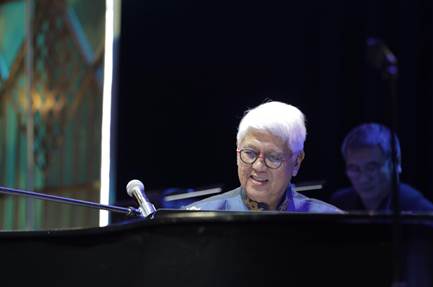
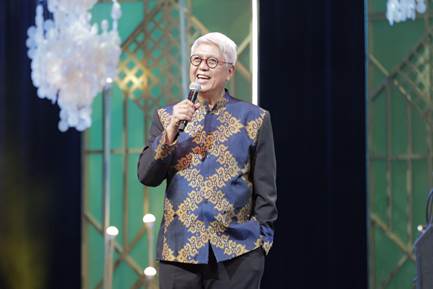
Maestro Ryan Cayabyab headlined the Tribute to OPM concert at the Newport Performing Arts Theater in 2023.
The Birth of OPM
By the end of the 1970s, Manila Sound began evolving beyond the disco grooves and Taglish pop style that first defined the movement. As the music matured, songwriters and artists began crafting more complex, diverse, and universally Filipino music that extended beyond the capital city of Manila.
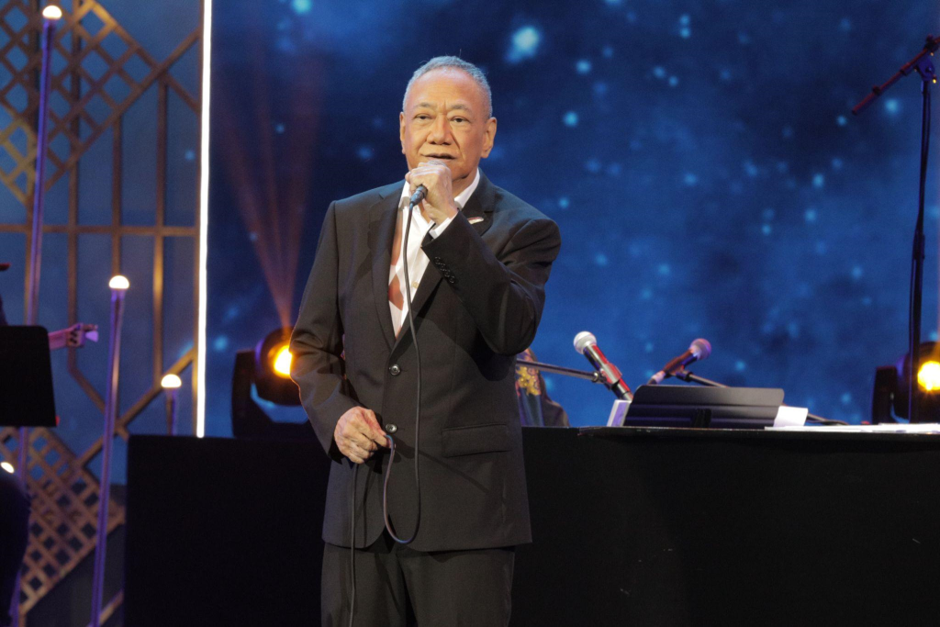
Artists like Ryan Cayabyab, Rey Valera, Hajji Alejandro, Marco Sison, Basil Valdez, and Freddie Aguilar started producing music that was more sweeping and sophisticated. To reflect this broader, more mature national identity, pop singer Danny Javier (of the APO Hiking Society) coined a new term: Original Pilipino Music (OPM).
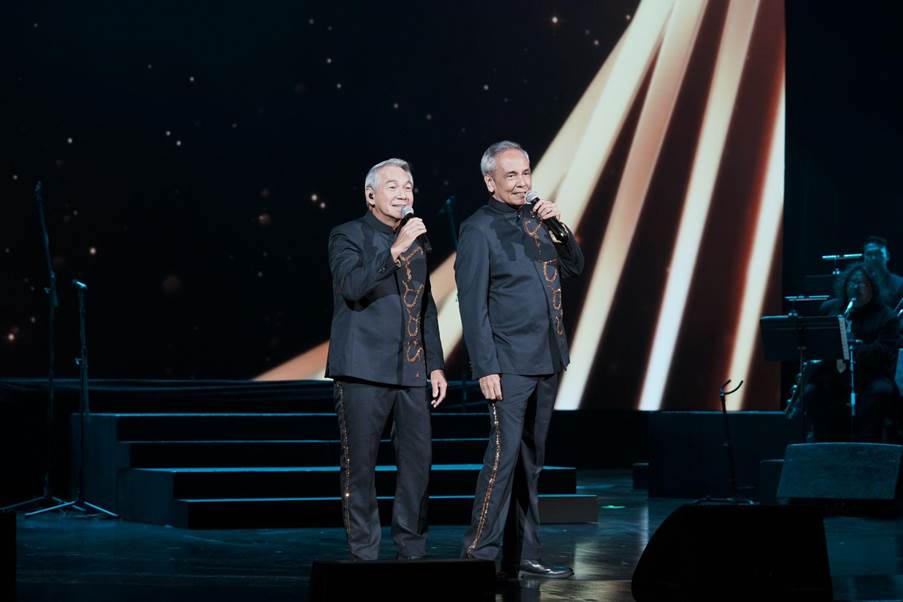
The Manila Sound ultimately became the blueprint for modern OPM. Whether through Hotdog’s witty urban storytelling, VST & Company’s disco anthems, or Cinderella’s melodic love songs, Manila Sound captured the pulse of a generation learning to define itself through music.
The Manila Sound gave way to the rise of OPM in the late 1970s and early 1980s, but its legacy was permanent. It proved that Filipinos wanted to hear their own stories, sung in their own language, to their own beat.
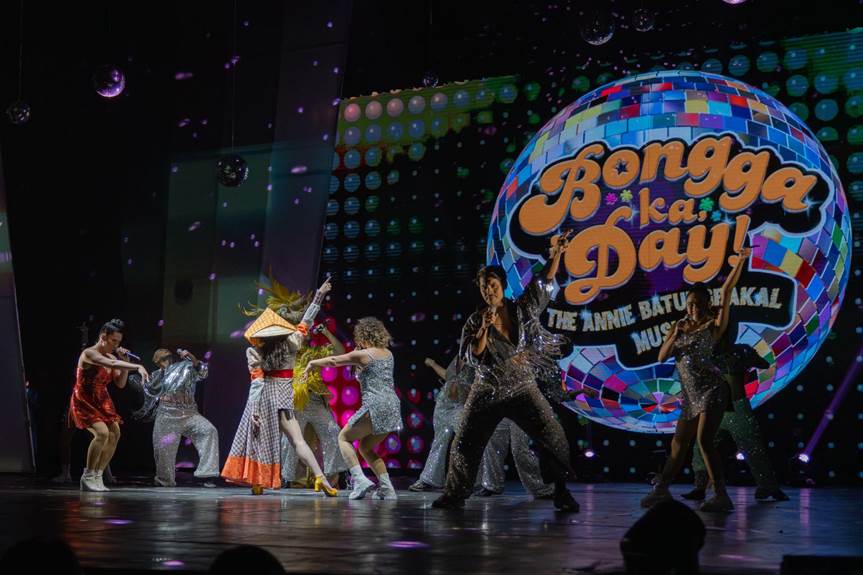
Manila Sound returns onstage
Today, that genre returns in spectacular fashion through Bongga Ka, ’Day!: The Annie Batungbakal Musical. Set against the glittering backdrop of ‘70s Manila, the production revives the music and spirit that made Manila Sound a cultural phenomenon.
Newport World Resorts, in association with VIVA Communications and The Philippine STAR, reunites for an original production featuring Hotdog’s timeless hits. The show is slated to open in September 2026 at the Newport Performing Arts Theater.
Learn more about the artists and the production through Newport World Resorts (@newportworldresorts), VIVA Communications Inc. (@vivaartistsagency), and The Philippine STAR (@philippinestar) on Facebook, Instagram, and TikTok. Sign up for the waitlist now via https://newportworldresorts.com/bkd-waitlist to be the first in line for tickets.
Tags basil valdezhajji alejandromarco sisonopmrey valeraryan cayabyab


No Ticket Selling in the Comments Section. 0 thoughts on “Why Filipinos keep coming back to Manila Sound!”