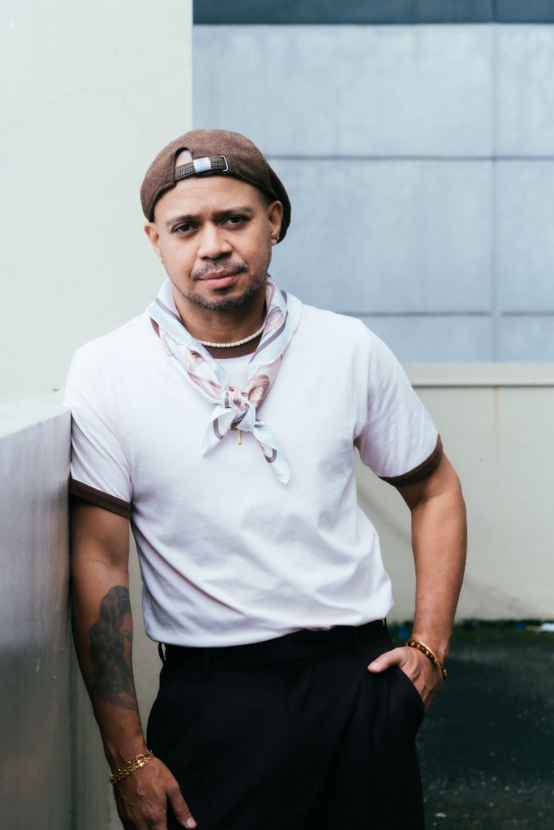
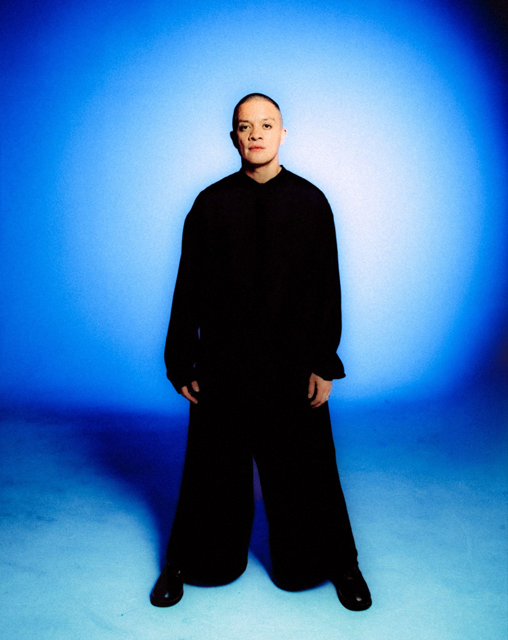
After 11 years away from releasing new music, Bamboo returns with “Alon,” a haunting new single that marks a fresh chapter in the career of one of Philippine music’s most enduring voices. More than a return to the recording studio, the release reflects a period of personal growth, reflection, and renewed creative purpose—one shaped by years of allowing life to unfold beyond music.
“Alon” also marks Bamboo’s return to PolyEast Records through its sub-label, filtered music, renewing a partnership that began in 2004. Following the band’s success, Bamboo pursued a solo career, releasing No Water, No Moon (2011) and Bless This Mess (2015) under PolyEast Records, formerly EMI Philippines. Both albums showcased his evolving musical sensibilities and versatility as a recording artist and songwriter.
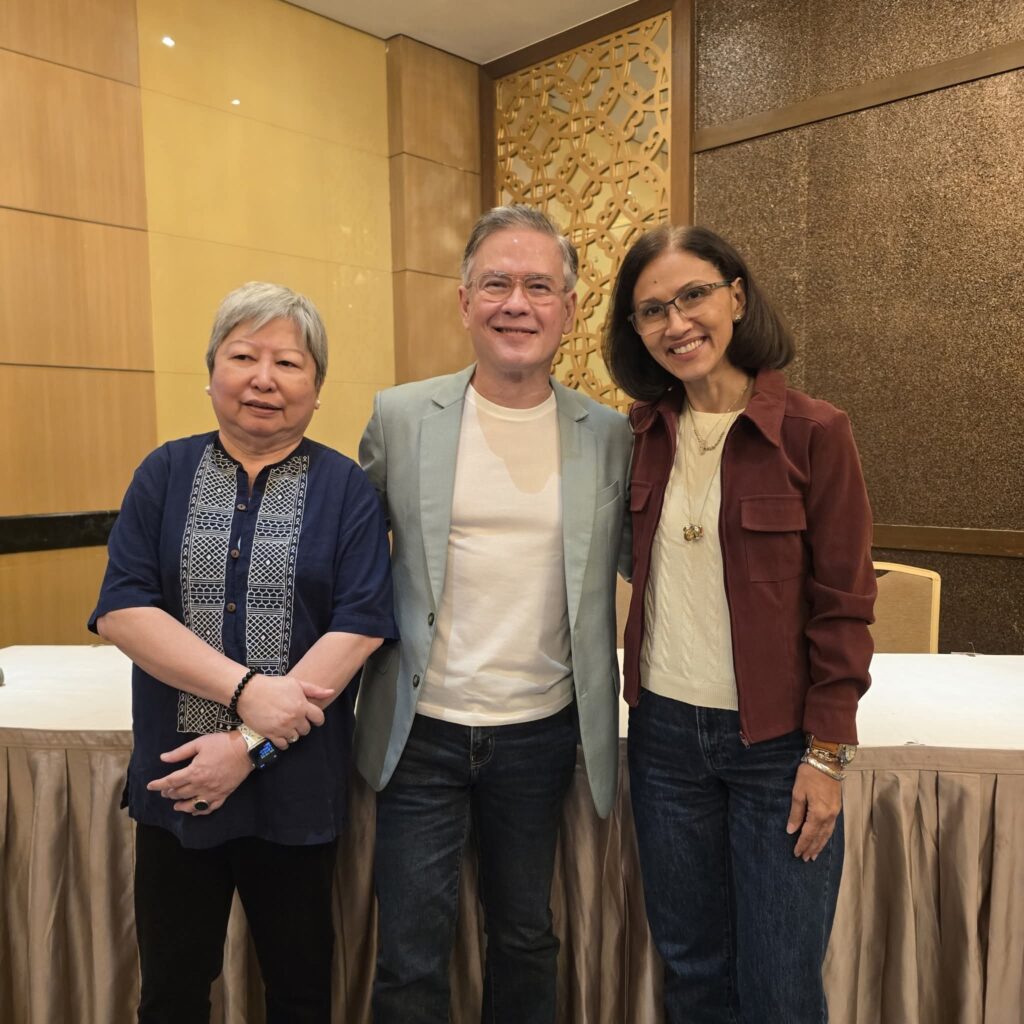
More than two decades after their partnership began, Bamboo reunites with the label for a new chapter in his musical journey. The renewed partnership was formalized through a contract signing on October 26 at the PolyEast Records/filtered music office in Quezon City, paving the way for fresh creative possibilities with the release of “Alon.”
“It’s about time, I thought, to release something new,” Bamboo shares. “The reason why there’s a little bit of space is because there’s a life to cover. There are certain things in life that you have to prioritize. In the helter-skelter pace of working in music, you have to deliberately keep hitting that pause button, ask yourself what’s real and reflect on purpose.”
For Bamboo, the years away from releasing music were not necessarily about stepping away from his craft. Life simply had to take its place. During that time, he continued to stay close to music through collaborations with fellow artists, live performances, touring across different parts of the Philippines and bringing his music to audiences around the world.
Written by composer and keyboardist Ria Osorio, “Alon” finds Bamboo exploring a different direction while confronting the complexities of human emotion. Though its sound carries a haunting quality, he does not see the song as an expression of sadness alone. Instead, he hears a resistance to pain—a choice to face difficult emotions without allowing them to overshadow the joy of living.
“When Ria first gave me the song, she had said that she had me in mind when she had written it,” Bamboo shares. “I feel the pain of the song, the emotion, pero I don’t accept it as a sad song. I accept it as a song as if I’m resisting sadness.”
That perspective reflects where he is in life today: choosing joy, surrounding himself with people who matter, and finding fulfillment in the simple act of making music. “I choose to live with a lot of joy these days. I choose to be with people who I like to be with,” he says. “It’s the best job in the world because I get to play with friends.”
The making of “Alon” reflects Bamboo’s instinctive approach to music, placing atmosphere and emotion at the forefront. After the initial recording, however, he felt that the song’s treatment and overall sound weren’t quite right. He decided to revisit its demo roots, exploring a different sonic direction and introducing a new section to the arrangement. The result is a stripped-down electronic sound layered with textured guitar elements, bringing together Bamboo, Osorio, and guitarist Ardie de Guzman in shaping the song’s final form.
“Alon was years in the making. I didn’t want to simply release a song for the sake of putting something out there. Songs are something you have to live with. I had to find meaning, and at this point in my career I just didn’t want to settle until I found the sound I wanted.”
The song’s emotional depth extends into Alon’s live performance video inspired by the feeling of an art installation. Built around people, movement, and visual interpretation, the concept invites viewers to discover their own meaning in the performance.
Rather than offering a literal interpretation of the lyrics, the visual treatment reflects the shared experiences that shape a life. Bamboo hopes the song will also resonate with younger listeners, reminding them that difficult emotions are a natural part of living and can become opportunities for self-understanding and growth.
With “Alon,” Bamboo embraces the freedom to experiment and discover where his music will lead, without committing to a predetermined direction. “This is just the beginning again,” he says. “A blank slate, and we’ll see again. Di ko rin alam eh (I don’t know either), which I love.”