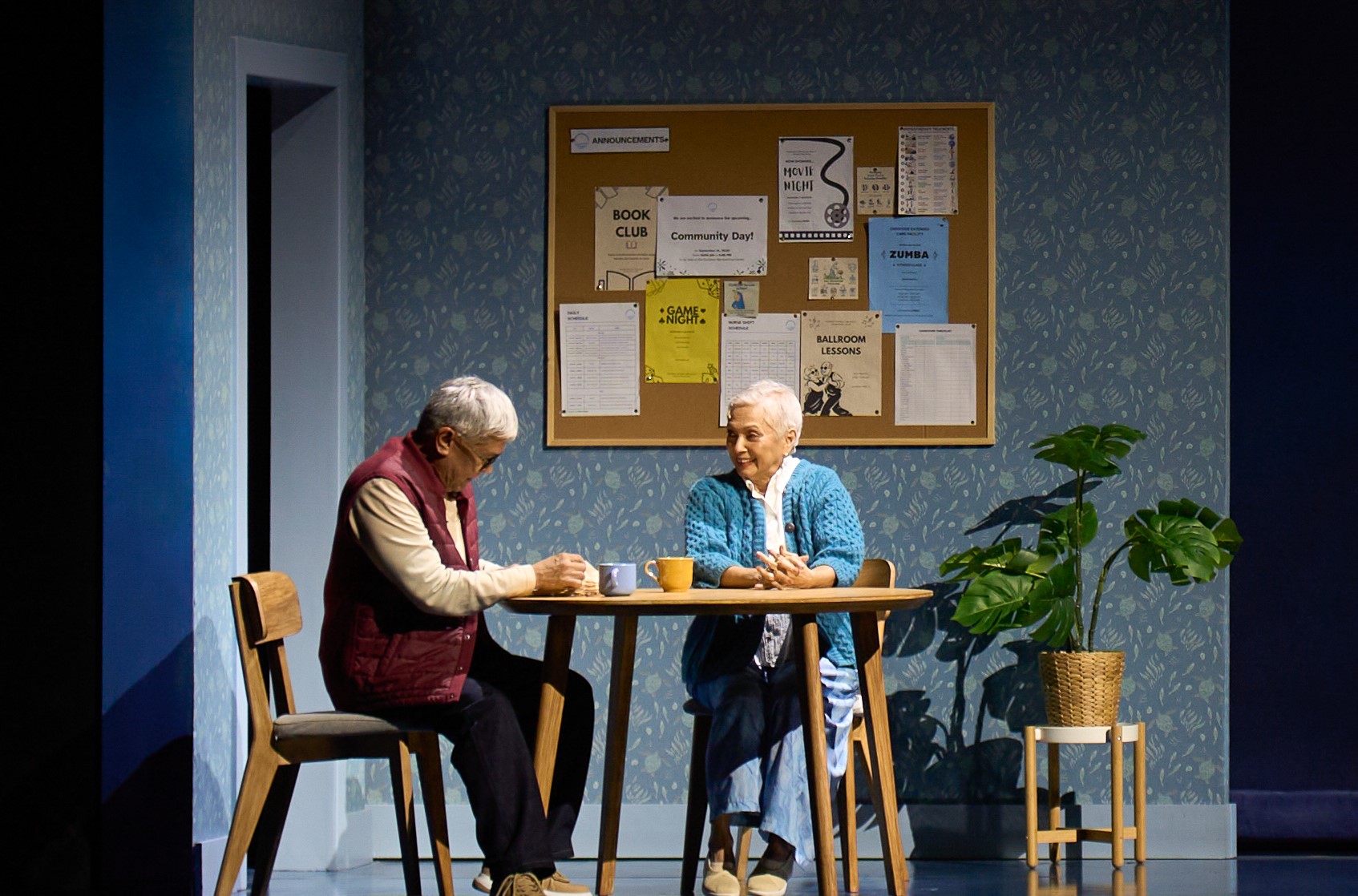
The Notebook is, at its core, the story of two people who keep finding their way back to each other across every kind of distance time, class, silence, and finally the cruel fog of memory itself. It is a meditation on what it means to choose someone again and again, through youth, through distance, through the slow erasure of memory itself.
The Pages | The Young
The novel follows Noah Calhoun and Allie Nelson across decades, beginning with a luminous summer of first love in 1940s coastal North Carolina. He is the working-class boy who reads poetry and dreams of restoring an old house; she is the refined daughter of wealthy people who has never been allowed to want something so freely. Benedix Ramos as Younger Noah and Sheena Belarmino as Younger Allie portrayed their love story during a summer in New Bern. The stage was set giving the essence of Young Noah and Allie who represent two people who find in each other the version of themselves they most want to be.
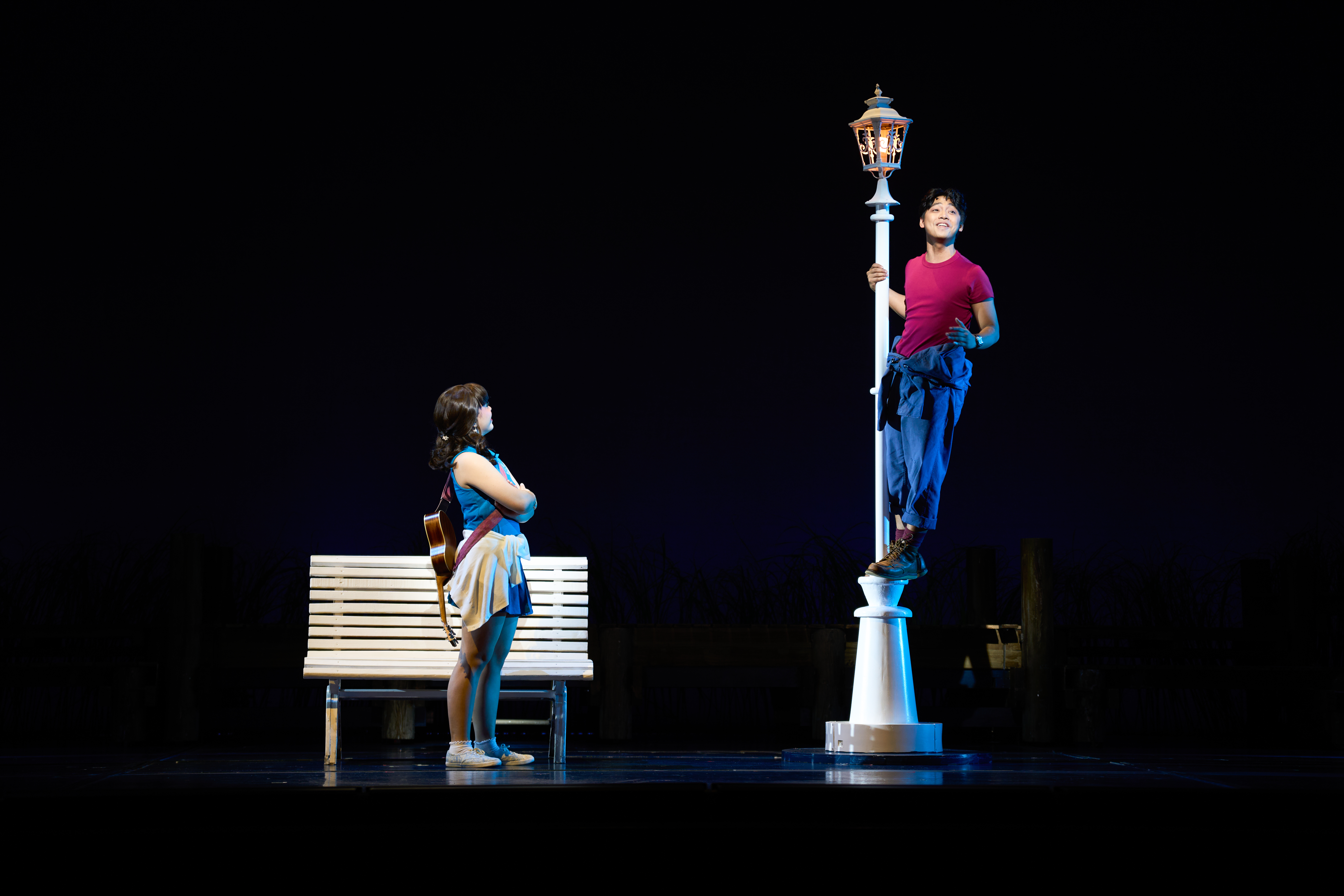
Sheena’s performance was bright, and full of natural sparkles. She captured the headstrong, artistic, upper-class teenage Allie with a sense of playful energy and emotional openness. She brought a warm and engaging presence that made us root for her and Benedix.
Benedix is a perfect fit for playing Noah. His intense charisma and a mix of toughness and vulnerability mixed with strong stage presence matched the energy of young Noah. Benedix’s voice settled into the room like it had finally found the place it belonged, warm, steady, carrying every note as if it had been waiting years for this exact moment.
Their scenes together were one of the production’s strongest elements! bubbly, flirtatious, and full of the dizzying highs of summer romance. It’s an “immediate and feral attraction” and a “playfully innocent and emotional energy” that felt true to first love.
Ever After | The Middle
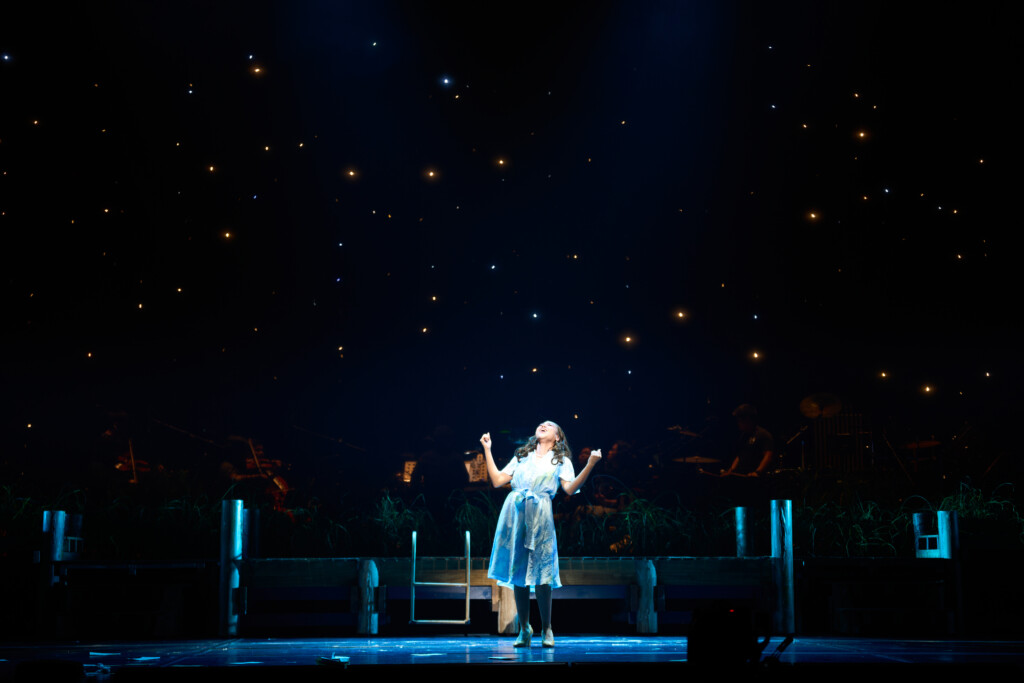
What begins as the kind of passion that feels inevitable comes the heartbreak that feels almost too real to bear. When Allie’s parents separate them with the cold efficiency of class and expectation. What follows is not a simple separation, but years of aching absence. Noah goes to war and returns changed. Allie builds a life that looks perfect on the surface, even engaged to a good man who loves her yet something essential remains unfinished. This is where the story finds its quiet power. Noah restores the old house not as a grand romantic gesture, but as an act of stubborn faith that the girl who once stood beside him might one day return. Their promises were spoken under starlight.
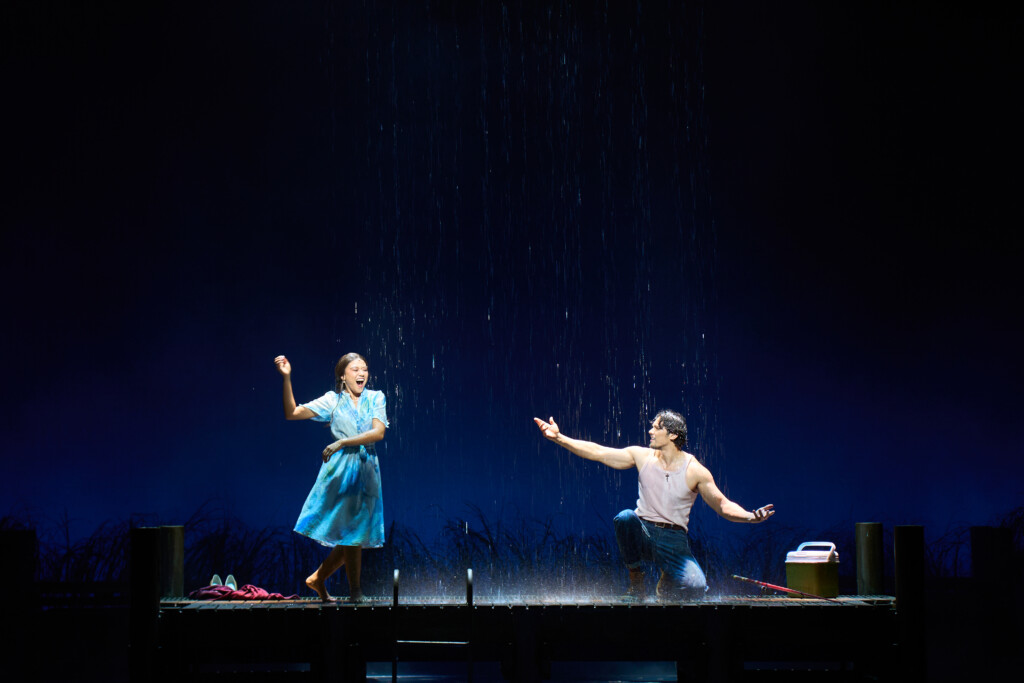
Morissette as Middle Allie
Morisette return to musical theater was widely regarded as one of the strongest performers in the production. She brought a big-hearted quality to Allie at this pivotal stage of life, capturing the wistfulness, internal conflict, and quiet desperation of a woman who has tried to move on but still feels the pull of her first love. Her solo “My Days” was a total showstopper. Known for her powerful belt and wide vocal range Morisette, delivered with control and precision. She breathed real personality and emotional complexity into the role. She took the songs in her hands and gave them a new home, reshaping them until they felt both familiar and felt like her own.
Laurence Mossman as Middle Noah
Laurence, known for his notable theater performances, delivered strong, heartfelt vocals and the way he balanced outward strength with an underlying ache. His Noah has the air of a survivor, someone who has kept building and waiting. With his vocal power, emotional depth, and ability to connect with audiences through his musicality. His vocal showmanship, rich tenor voice and excellent stage presence delivered emotional sincerity expected for the show.
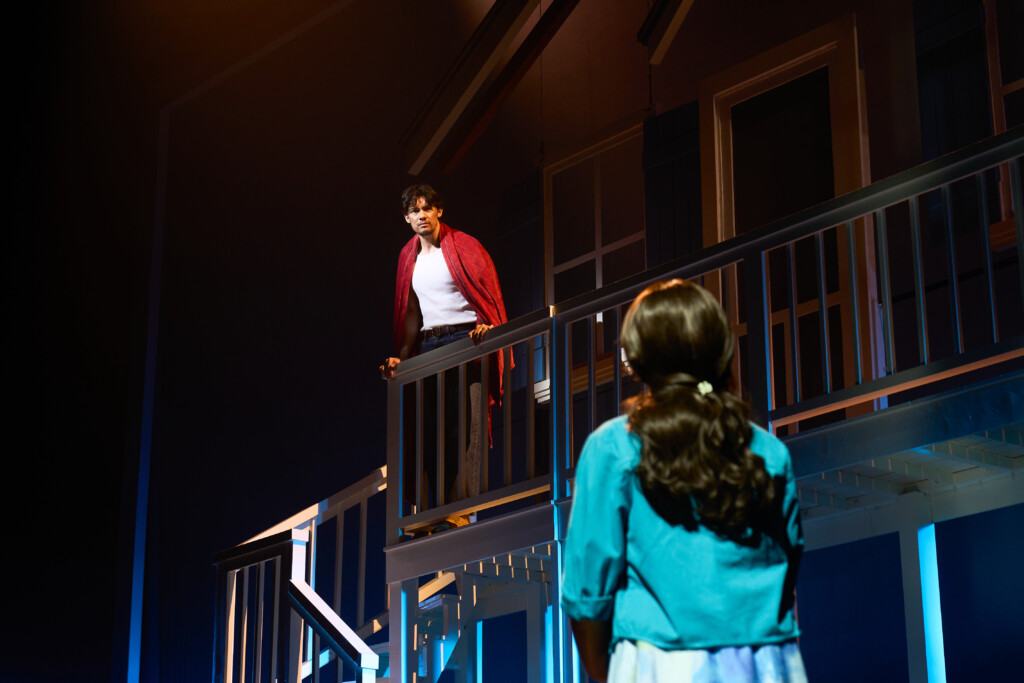
Morissette and Laurence were tasked with showing what happens when that love is tested by time, class pressure, and other relationships. Their performance carried the story’s emotional turning point, the moment when youthful romance becomes a deliberate, adult choice.
All Our Days | Memory Keepers
Then the world intervenes and they finally meet again, the love that reappears is no longer the pure fire of youth. It is older, more complicated, and somehow deeper. Their love, by this point, has survived silence, war, and the slow erosion of time. With Allie suffering from advanced dementia/Alzheimer’s and Noah patiently reading their life story to her in hopes of sparking her memories. Their relationship in old age is defined by enduring selfless love that persists despite the disease. Their stage frames the story of love that “awakens the soul.”
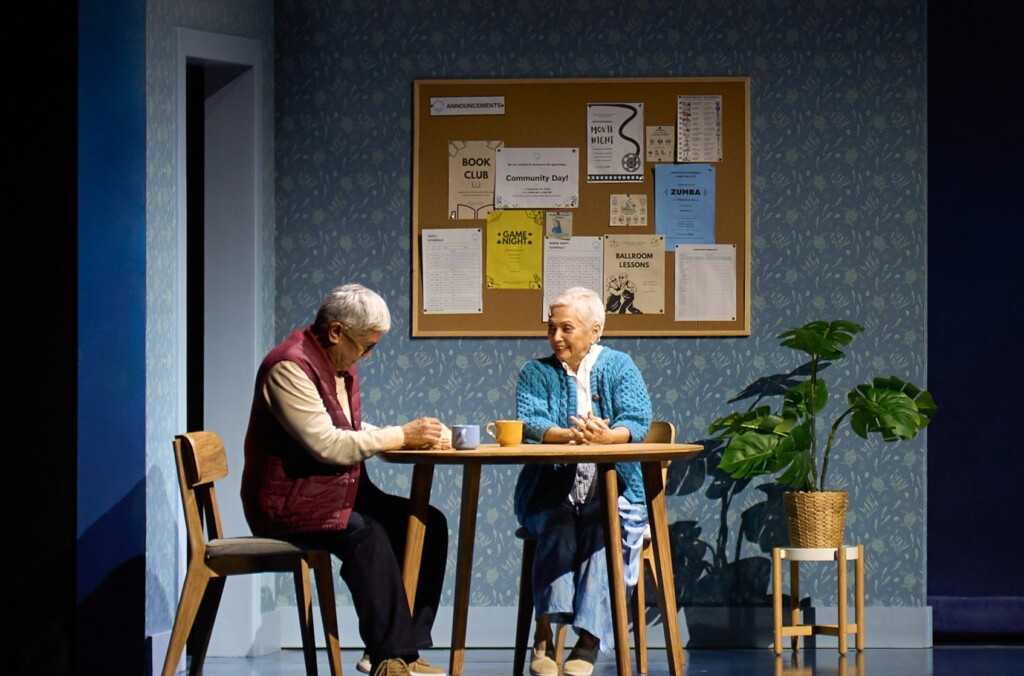
Seasoned actors Celeste Legaspi and Rody Vera portrayed the strengths of musical performance of theatrical storytelling, and timeless artistry, they both served the emotional core of the story.
The fleeting moments of lucidity and recognition that are deeply moving before the fog returns. Celeste and Rody’s performances captured dignity, vulnerability, and the emotional reality of memory loss without excessive sentimentality. Numbers like “I Wanna Go Back” underscore her lost sense of self and home.
The Story of Us | The Stage
The Notebook musical offers a visually poetic, emotionally intimate stage experience that expands the novel and film while preserving their core of enduring love.
The stage and sound design lights came up soft, the kind that make everything feel a little more sacred than ordinary. It is not a note-for-note recreation of the movie’s swoony 1940s aesthetic or the novel’s exact structure, but it honours the heart of both while using the stage’s unique ability to hold past and present at once. A sophisticated rain system delivers real water for the iconic reconnection scene. The floor is engineered to look like wooden dock boards while remaining non-slip and draining properly.
The team created a layered, time-lapse quality where past and present coexist, emphasizing that the love story is continuous rather than sequential. The tone is sincere, intimate, and heartfelt, with strong vocal performances and emotional honesty, particularly in the older couple’s scenes.
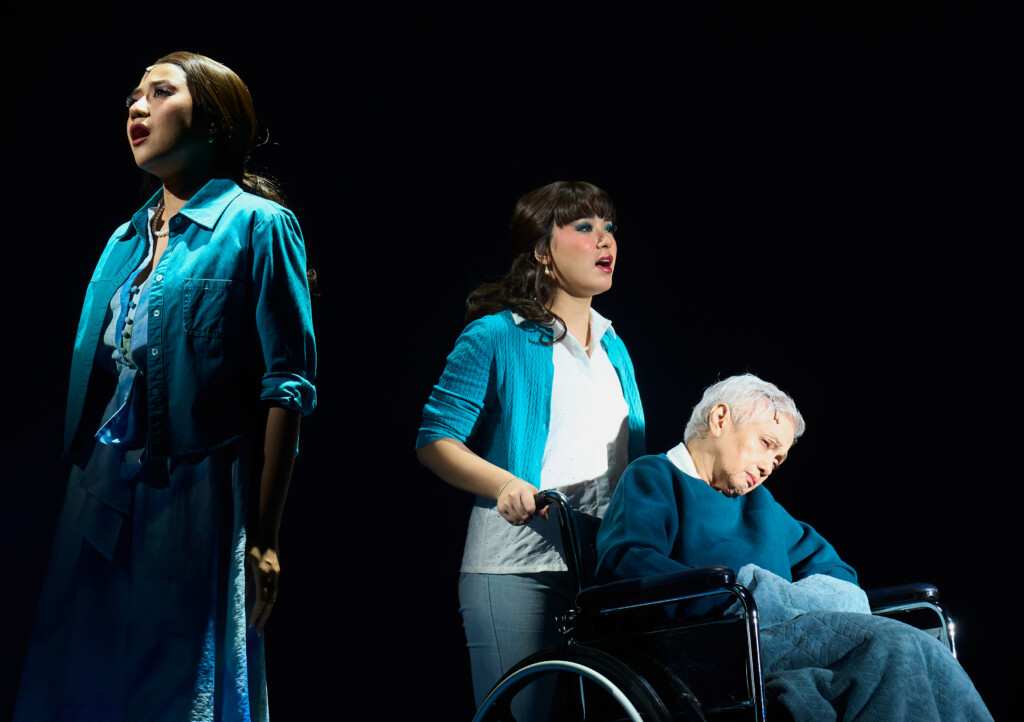
Lighting contrasts the cold, nostalgic, emotionally charged colors for the memory scenes, helping shift seamlessly between present and past. The overall effect is cinematic yet theatrical: fluid movements and character-driven rather than big production-number dancing, and the natural comedy that the audience picked up.
Somewhere in the quiet corners of the performance, Smoked moved through the scenes like an unpaid actor, pouring presence into every frame and making the story breathe. They spoke of someone simply being with you and of the rollercoaster of emotions that comes with loving people who won’t stay forever in the same way.
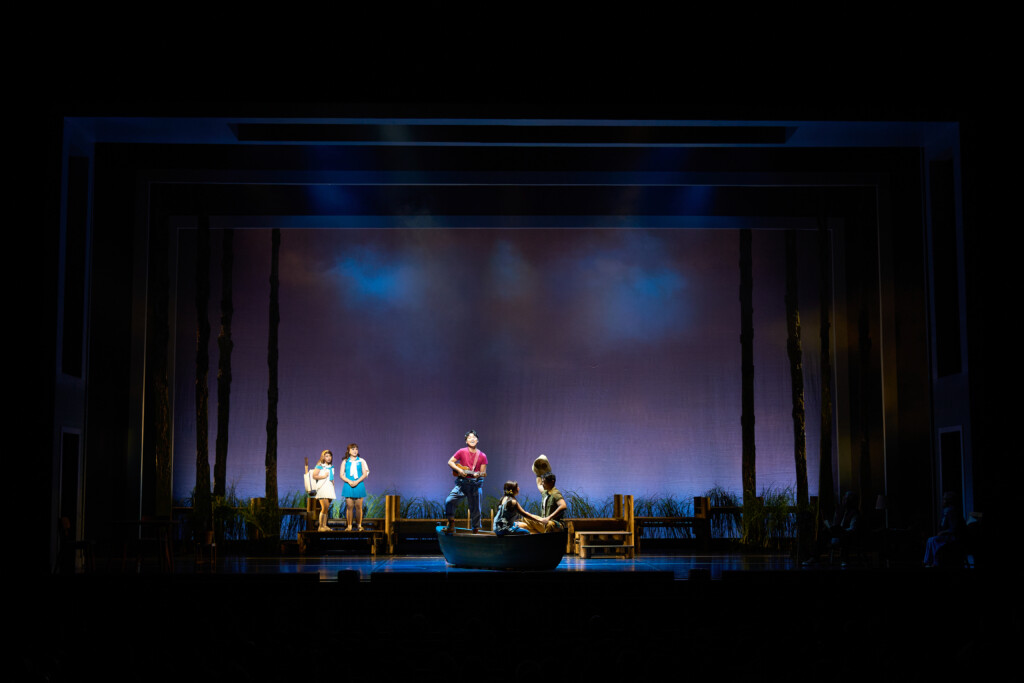
The songs give characters richer inner lives through song, and there is more natural humor alongside the tears. The ending retains the emotional payoff of connection and love transcending illness, though details differ slightly from both book and film.
Expect a more theatrical, layered, and contemporary take that prioritizes memory, ageing, and quiet devotion. This whole piece does something quiet and powerful: it makes you hold your loved ones a little tighter, especially in those moments when memory starts racing against time, trying to keep what the years slowly take away. Bring tissues, as the combination of design, performances, and music is designed to move you.
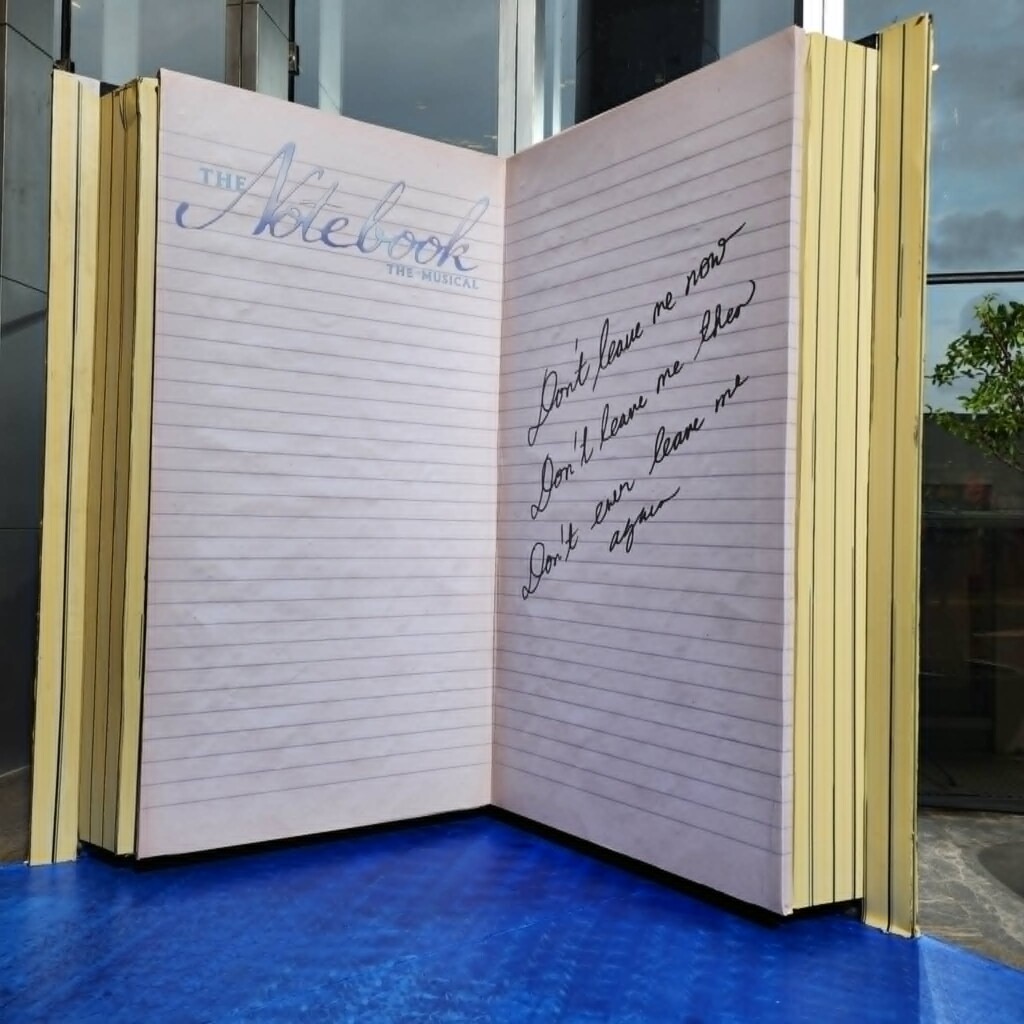


The Notebook The Musical runs for approximately 2 hours and 30 minutes from Sep 3-20, 2026, at Samsung Performing Arts Theater.
Leave a Reply