For millions of Filipino families, having a parent work overseas is a reality defined by sacrifice, separation, and longing. While working abroad offers parents the opportunity to provide a better future for their children, the distance often comes at an emotional cost, leaving young ones struggling with loneliness, uncertainty, and the fear of being left behind.
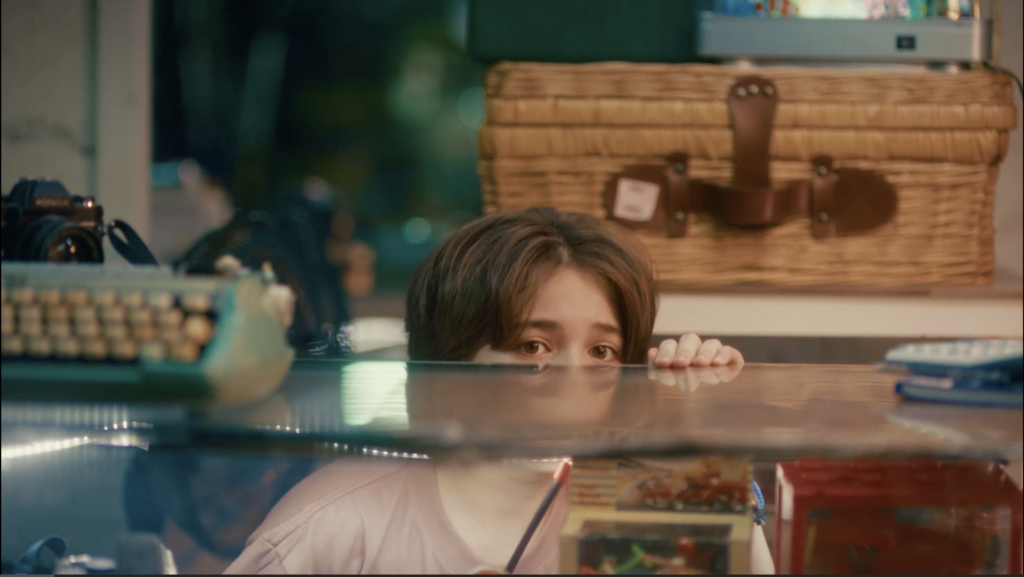
In “Apol of My Ai,” a heartfelt family drama directed by Thop Nazareno, this often-overlooked reality unfolds through the eyes of a young boy learning to reconnect with a father who has spent much of his childhood working abroad.
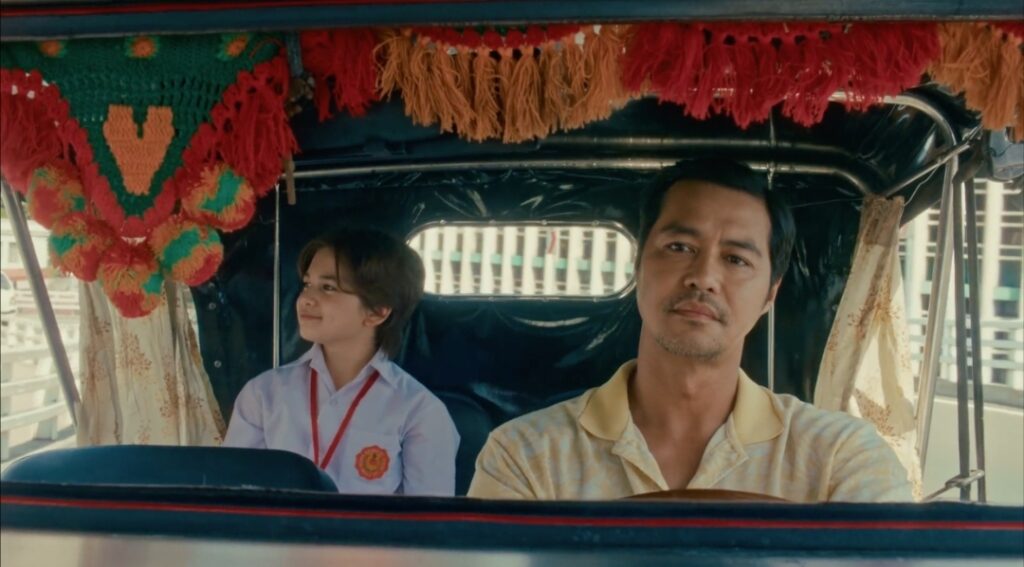
father-son relationship after spending years apart.
Starring Zanjoe Marudo, Zion Cruz, and Rochelle Pangilinan, the film follows 10-year-old Apolinario “Apol” Medina Jr. (Cruz) and his father, Poli (Marudo), an overseas Filipino worker who returns home after years of working as a musician aboard a ship in Japan.

Having grown especially close to his mother, Apol struggles to adjust to his father’s presence after years of separation. Poli, meanwhile, hopes to make up for lost time and build the relationship they never had the opportunity to develop.
Through Apol’s story, the film brings attention to an aspect of the OFW experience that often receives less attention: the emotional struggles of children who grow up waiting for their parents to come home.
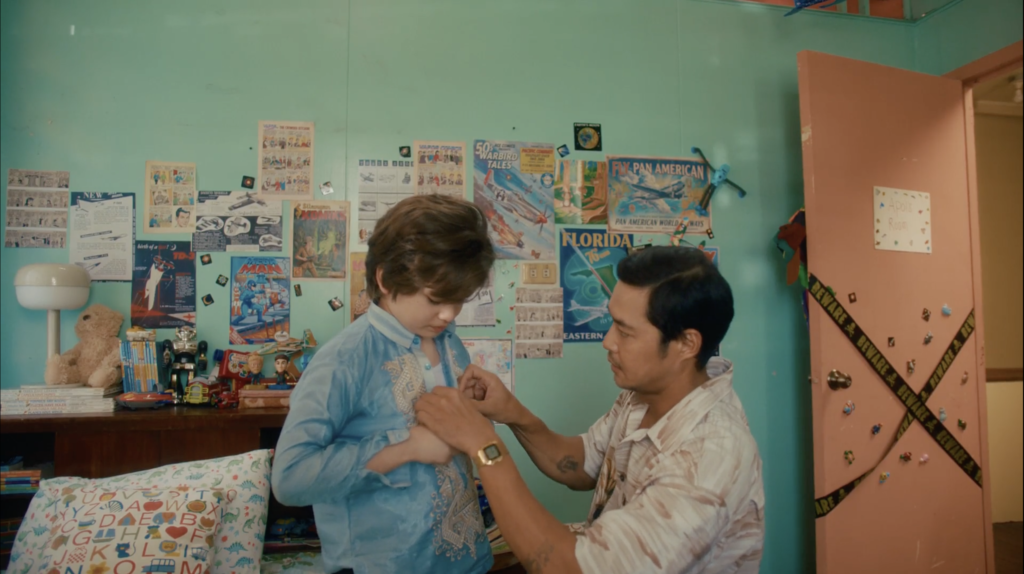
These children may understand that their parents are working hard to secure their future, but that understanding does not necessarily ease the pain of missed birthdays, important milestones, and the countless ordinary moments that define childhood.
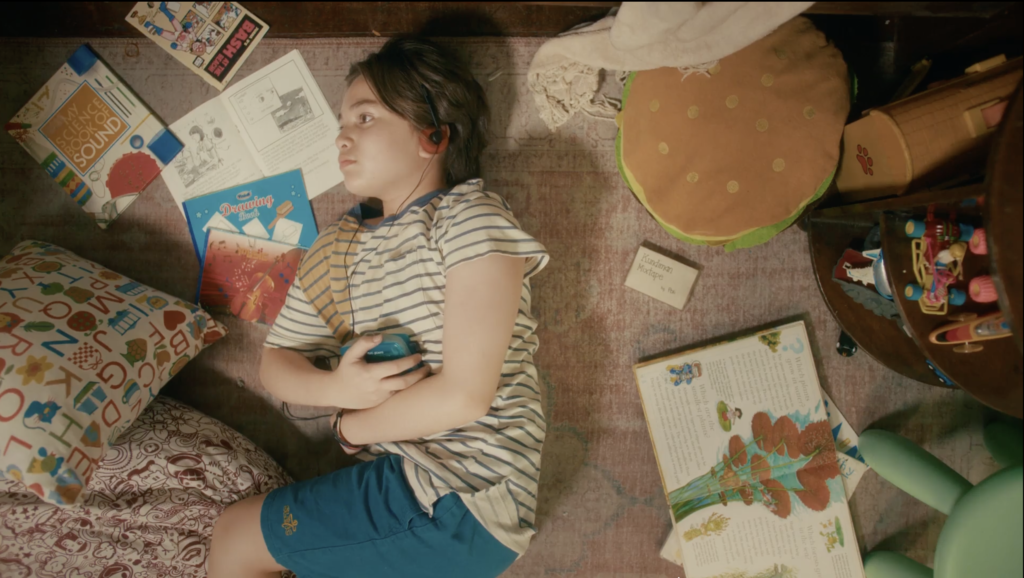
Apol’s attachment to his late mother and his initial reluctance to embrace his father’s efforts to reconnect illustrate how prolonged separation can affect a child’s sense of security, belonging, and emotional well-being.
For Nazareno, telling Apol’s story was an opportunity to give a voice to children whose experiences are often overshadowed by the sacrifices of their parents.
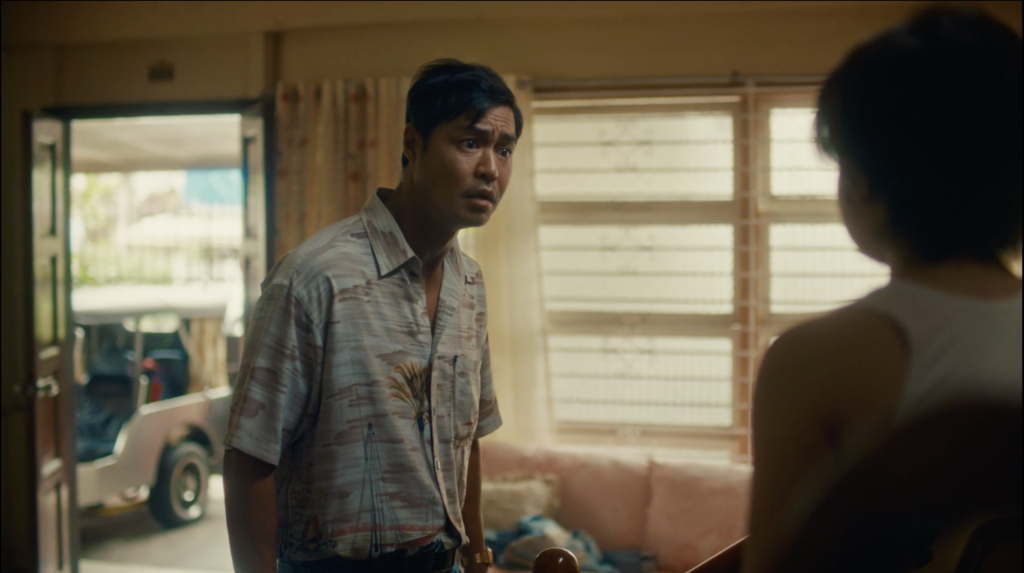
“In making ‘Apol of My Ai,’ I wanted to give space to the feelings of children who grow up with a parent working overseas. Sometimes, we focus so much on the sacrifices parents make that we forget to ask how their children experience that separation. A child can appreciate everything a parent does for them and still wish that parent could be there for the ordinary moments of growing up. I hope the film helps families understand that both feelings can exist at the same time,” he shared.
The film also examines a difficult truth about family reunification: returning home does not automatically restore the closeness lost through years of separation.
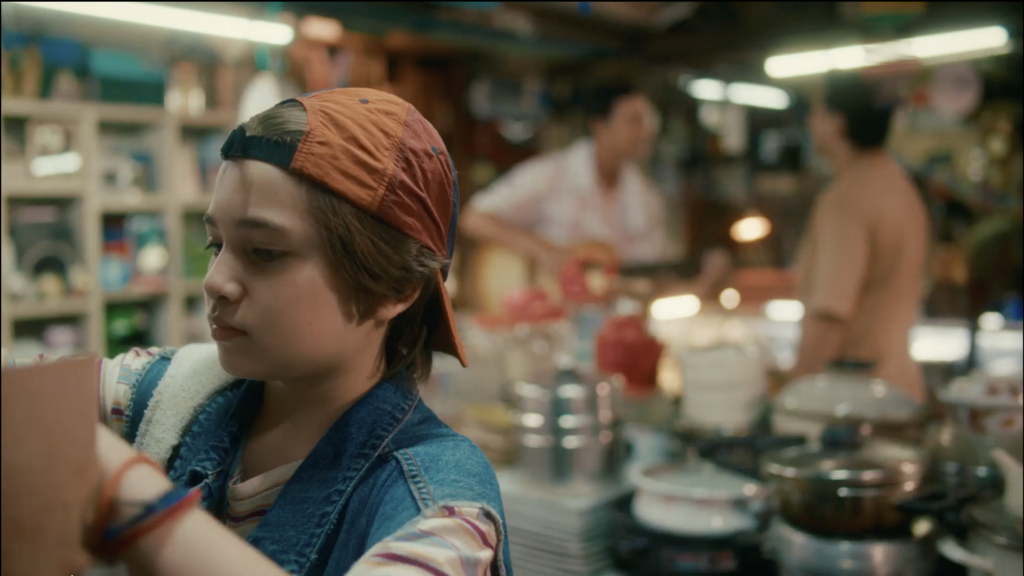
Poli attempts to reconnect with his son through simple acts of care, from preparing Apol’s school baon to recreating the sinigang his late wife used to make. Music eventually becomes another bridge between them, as Poli helps Apol prepare for a school chorale audition.
What might appear to be ordinary father-and-son activities gradually become meaningful opportunities to rebuild trust, rediscover affection, and establish a relationship that years of physical separation had prevented from developing.
At the same time, “Apol of My Ai” offers a compassionate perspective on the difficult circumstances faced by OFW parents.
Poli’s decision to consider working overseas again is not driven by a lack of love for his son. Rather, it reflects his responsibility to provide for Apol and sustain their household, even if fulfilling that responsibility means another painful separation.
His dilemma mirrors the choices confronting countless Filipino parents who must balance the financial demands of raising a family with the emotional consequences of being physically absent from their children’s lives.
By presenting both perspectives, the film resists portraying the situation as a simple conflict between a parent who chooses to leave and a child who desperately wants that parent to stay.
Instead, it acknowledges that parental sacrifice and childhood longing can coexist. A child can recognize the necessity of overseas employment while still struggling with the prospect of another separation.
This emotional conflict is captured in one of Apol’s most poignant lines to his father: “Kailangan kita, Pa.”
Behind those three simple words is a child’s longing for something that financial support alone cannot provide: the reassurance of having a parent present through the uncertainties and milestones of growing up.
The film further explores how the emotional consequences of separation can persist long after an OFW parent returns home. Rebuilding trust and intimacy requires patience, particularly when a child has spent years adjusting to life without the parent now seeking a place in their everyday world.
Through Apol and his Tatay Poli, Nazareno encourages audiences to look beyond the financial sacrifices associated with overseas employment and consider the emotional needs of the children left behind.
“Apol of My Ai” earned four awards at the 2026 Puregold CinePanalo Film Festival, including the Special Jury Prize. The film is set to open in select cinemas nationwide on December 2.
For children who have spent years waiting for a parent to return, Apol’s journey may evoke familiar feelings of longing, hope, and the desire to reclaim lost time.
Ultimately, the film speaks to a deeply personal truth shared by many Filipino families: children can be grateful for everything their parents sacrifice and still wish they could spend more time together.
Because sometimes, what a child needs most is not another gift brought home from overseas, but the simple comfort of having a parent beside them as they grow up.
Leave a Reply