In an industry increasingly shaped by digital visibility, Culture Wars are finding their footing the old-fashioned way: through live performances, international audiences, and the work of building a following one show at a time.
For Culture Wars, the past year has offered a different perspective on what it means to build an audience. Having spent more time headlining shows across international markets, the band has begun to understand its following beyond streaming figures and online engagement. The distinction, they suggest, becomes apparent only when standing onstage and seeing the people who have made the music part of their lives.
“You see all the numbers online, and that does tell you a lot of information, but it’s different than being at the venue and really seeing your people,” they shared.
It’s a perspective that challenges an industry increasingly preoccupied with digital reach. While online platforms remain useful for discovery, Culture Wars attribute much of their growth to the experience of performing and developing a connection with audiences in person.
“The majority of our growth has been in person, playing the show, realizing that our show is probably the best thing we do, and then taking that forward. Being like, all right, well, then we’re gonna just do it over and over again.”
Their assessment is particularly relevant at a time when artists are often encouraged to pursue viral exposure as a measure of success. Culture Wars aren’t dismissing the internet’s role, but they recognise that discovery and engagement are two different things. As they put it, “I think the internet’s a great place to find things, but not necessarily to enjoy them.”
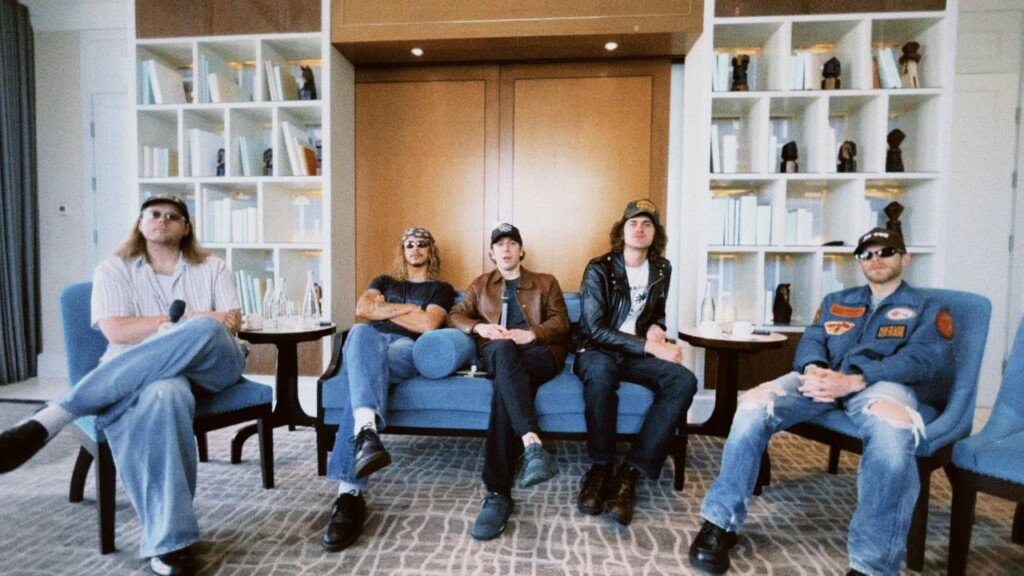
For the band, that enjoyment is best realised in a shared space. Asked what they hope first-time concertgoers take away from a Culture Wars performance, they spoke about the importance of being present, putting phones away and simply enjoying the company of others. It is an uncomplicated intention, but one that reflects their understanding of live music as an experience extending beyond the performance itself.
That connection is perhaps most evident during “Don’t Speak,” the song they identified as their favourite to perform. Positioned towards the latter part of their set, it brings a noticeable shift in energy, with the band describing it as one of the night’s most enjoyable moments. It’s a reminder that a successful live show is not simply about reproducing recorded material, but about understanding how a room responds and building momentum around it.
Their recent experience opening for LANY has offered another perspective. Asked about their favourite moment from the tour, the band recalled the arena lights coming on and revealing the full scale of the audience. Beyond the spectacle, however, playing larger stages has seemingly changed how they approach performance. They described the experience as feeling like a brand-new band, recalling similar moments from previous opportunities to perform alongside established acts, including Maroon 5.

Away from the stage, their Philippine visit provided a lighter exchange. The band spoke enthusiastically about local food, particularly sea salt, lechon, and chorizo, while joking about adding to an already growing collection of Philippine refrigerator magnets. They also expressed their intention to return, closing the conversation with a message to their Filipino audience: “Mabuhay, Philippines!”
What emerges from the interview is a band increasingly confident in the value of its live identity. Culture Wars understand that digital platforms can introduce listeners to their music, but sustaining that interest requires something more substantial. It takes consistency, touring, and the willingness to build relationships with audiences beyond a single moment of online attention.
Their approach is neither particularly complicated nor nostalgic.
It is a recognition that, despite the industry’s changing mechanisms of discovery, the relationship between a band and its audience still depends on the music and the experience of hearing it together. For Culture Wars, that remains the most compelling reason to keep going on the road.
Leave a Reply