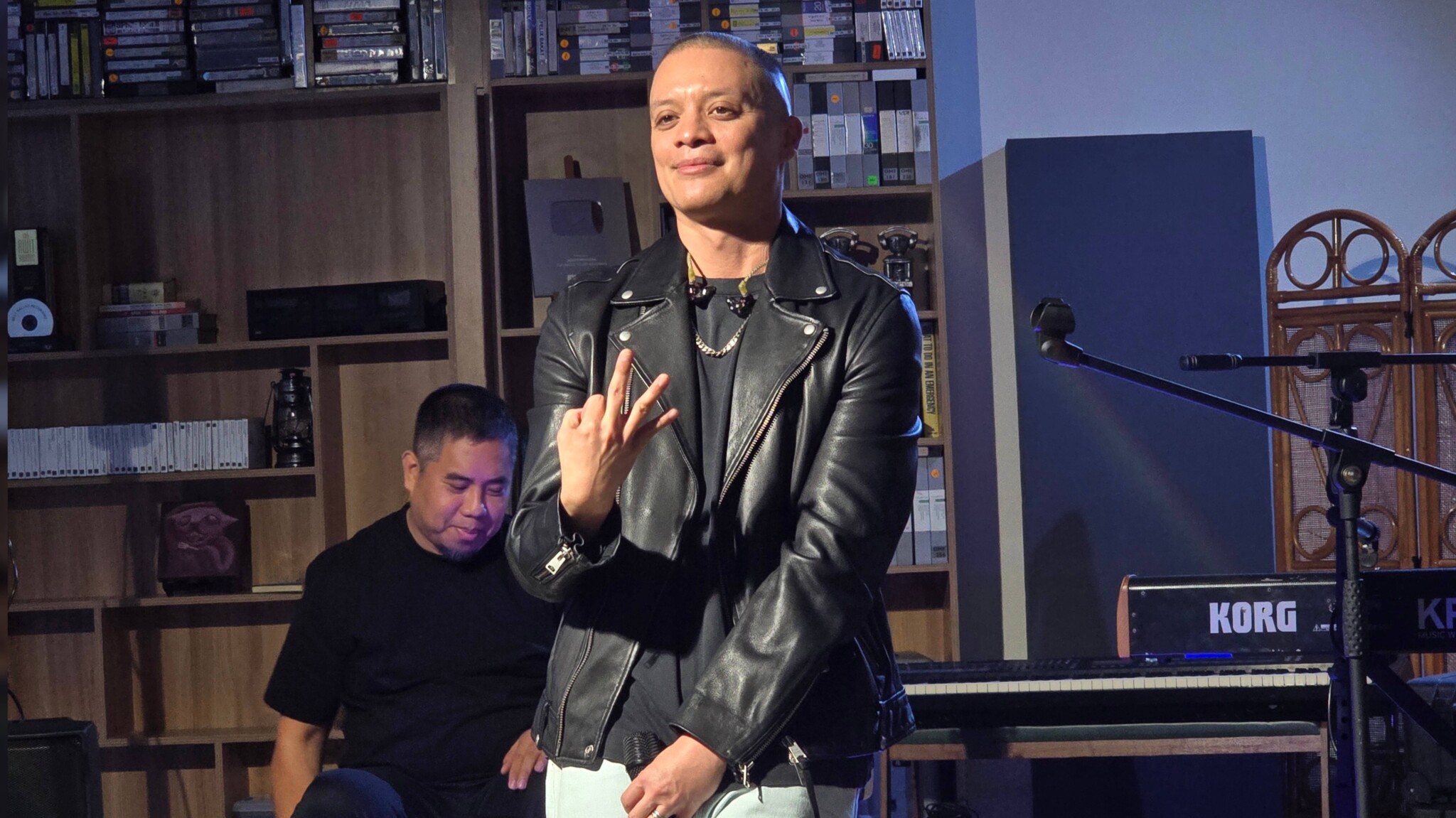
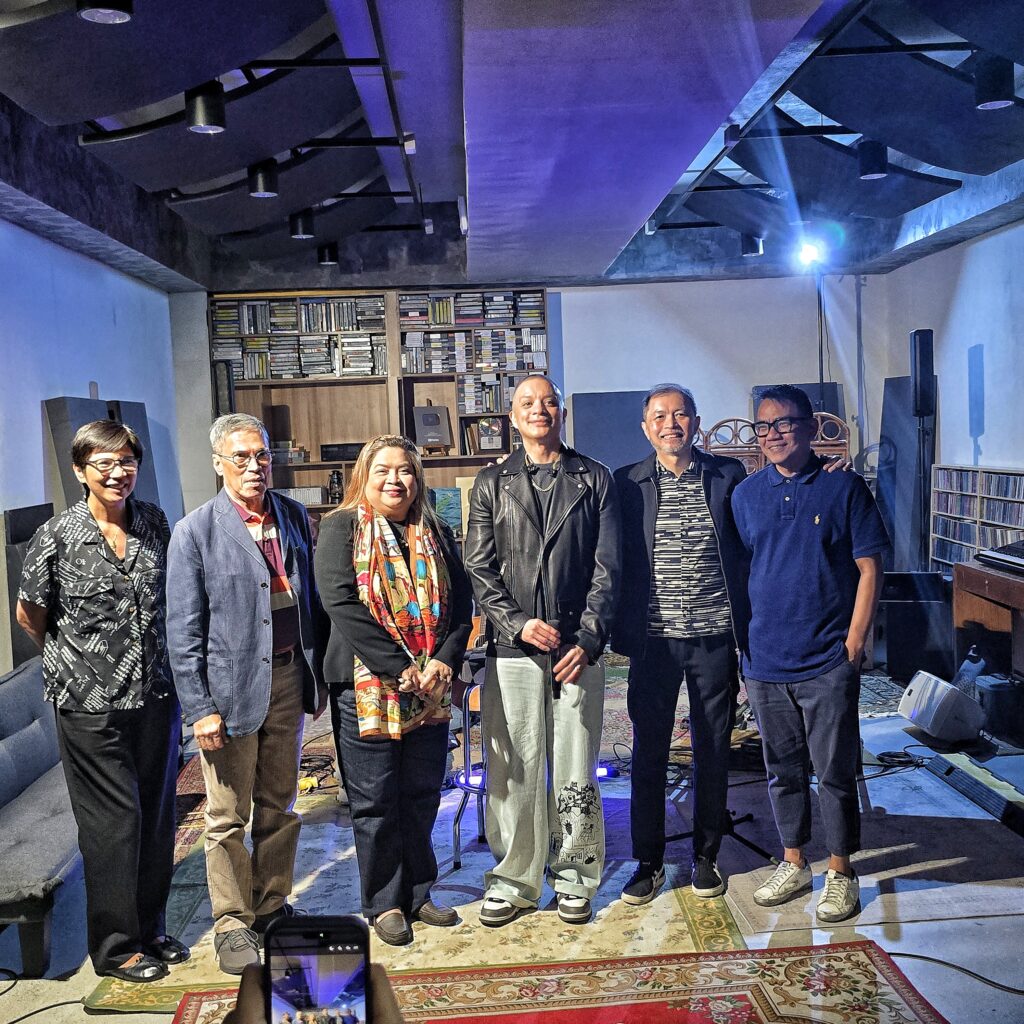
On October 26, 2026, inside the PolyEast Records office in Quezon City, the room filled with the familiar vibe of a media conference, cameras, microphones, and the quiet anticipation that only comes when an artist who has stayed deliberately quiet decides it is time to speak again. Bamboo Mañalac, whose voice powered anthems like “Noypi,” “Hallelujah,” and “Tatsulok,” signed a renewed partnership with the label through its sub-label filtered music. Then he stepped forward with longtime collaborators Ria Osorio on keys and Ardie de Guzman on guitar and delivered a live performance of his first new solo single in eleven years: “Alon.”
Bamboo’s last solo album, Bless This Mess, arrived in 2015. Before that came No Water, No Moon in 2011. In the years between, he never disappeared, he toured, collaborated, and spent time mentoring young singers on The Voice Kids. But new recorded material waited. The reason, he explained, was straightforward and personal.
“It’s just 11 years passed because it’s just about my life, right? I had priorities with my family,” he said. “Because with having a family, you only get to live these moments once, right? I didn’t want to miss these moments. I thought they were crucial for me.” The time away, he added, also changed him. “And so that made me, I hope, a better person, right? Giving that pause away from work and whatever, and just finding the time to be back.”
He described the deliberate act of hitting pause in an industry that rarely rewards it: “In the helter-skelter pace of working in music, you have to deliberately keep hitting that pause button, ask yourself what’s real and reflect on purpose.” Even his manager questioned the timing when the song finally felt ready, “Why, after all these years? Why put out something like this?” Bamboo’s answer was simple: it felt right. “It was the right song at the right time. It felt right for me.” He was not chasing trends or filling a release calendar. “It’s about an emotion, what I feel. For me, it’s about riding your own wave, right? So we’re not following something. It’s about creating something that means something to me.”
“Alon”, Tagalog for “wave”, was written by composer and keyboardist Ria Osorio, who has said she had Bamboo in mind when the song arrived. She later described his voice “bugging me and I couldn’t sleep” the words came, especially lines that seemed to arrive already in his timbre. “His voice wrote in my head”, she added. The track took years of back-and-forth: revisiting demos, adding sections, testing arrangements, and refining the mix and master until it matched what Bamboo wanted to live with. He refused a traditional full-band rock treatment.
“I feel the pain of the song, the emotion, pero I don’t accept it as a sad song,” Bamboo has said. “I accept it as a song as if I’m resisting sadness.” The lyrics move between personal ache (growing older while still feeling young at heart, holding on when love has shifted) and something broader. During the recording process, the song began to feel like commentary on “what’s happening in our country” and the larger world: anxiety, frustration, the sense of issues without clear light, and the need to figure things out together. Lines such as “Alon, umaalon, nalulunod na ako. ‘Di makatulog, binabangungotm Ginigising ng lungkot” captured that weight for him. Social commentary has long been part of his work; he sees himself as a witness who refuses pure doom. “I’m sort of that figure here. I won’t accept the status quo, this doom and gloom. It has always been about hope and the idea of change… and I’m never going to let go of that optimism.”
He hopes listeners feel an emotional tie, that even with different lives and circumstances, they share values and the sense of not being alone. The single is framed as the start of something, not a definitive statement: “This is just the beginning again. A blank slate, and we’ll see again. Di ko rin alam eh, which I love.”
At the same media conference, Bamboo offered a glimpse of where his evolution might lead. When asked about the trend of turning artists’ catalogs into stage musicals, he revealed that a music-industry friend from New York had already pitched the idea. His first reaction was disbelief, “You’re crazy, that’s not my forte.” But he gave the friend room to develop it and has since said he is open, even to appearing in it himself if the concept feels right. “I told him to go. I decided I’m game… but it depends on the idea. We’re not there yet, but from what he said, it implies that I’ll be there as well. I want to be surprised.”
That openness fits his current view of artistry. “As an artist, you just want to grow. You go where you can grow. This is about change, reinvention. I never pictured myself doing this for a lifetime being that same character all the way. You have to be like a chameleon, you have to develop, you have to evolve.” He is also navigating the newer tools of the industry with characteristic candor, leaning on younger label colleagues to understand social media and TikTok, and treating AI as a potential tool only if it creates something that surprises rather than something generic.
Throughout the conversation around “Alon,” Bamboo returns to a grounded joy. “I choose to live with a lot of joy these days. I choose to be with people who I like to be with. It’s the best job in the world because I get to play with friends.” He has enough songs in the vault and no interest in rushing the next one. “Let me do my thing. That’s all I ask.”
“Alon” is now streaming on major platforms. For listeners who have waited through the years of family first, tours, and quiet reflection, the single arrives as something lived with rather than manufactured for the moment, a wave Bamboo is riding on his own terms, with the same voice that once led a generation, now shaped by the life he refused to miss. Until the next one.
Leave a Reply